Two roofing quotes can be thousands of dollars apart and both say “replace roof.” The difference is in the scope of work: what’s being torn off, what’s being replaced, what’s being reused, and what’s left out. Use this as a checklist when you compare quotes.
Tear-off or go-over
- Full tear-off removes the old roofing down to the deck, so the roofer can inspect and fix the wood. It’s the right call in almost every case.
- Go-over (a second layer over the old one) is cheaper but hides problems, adds weight, can shorten the new roof’s life and may limit your warranty. Code also limits how many layers a roof can have.
- If there’s more than one layer to remove, is that priced in?
Decking
You won’t know the condition of the deck until the old roof is off. A good proposal tells you:
- What’s included, if anything
- The price per sheet of plywood or per foot of board for replacement beyond that
- That they’ll show you the damage before replacing it
Underlayment and ice & water shield
- How far up from the eaves does the ice & water shield go, and is it in the valleys and along the walls? See Ice & Water Shield.
- What underlayment covers the rest of the roof: a synthetic or felt paper?
Flashing: replaced or reused?
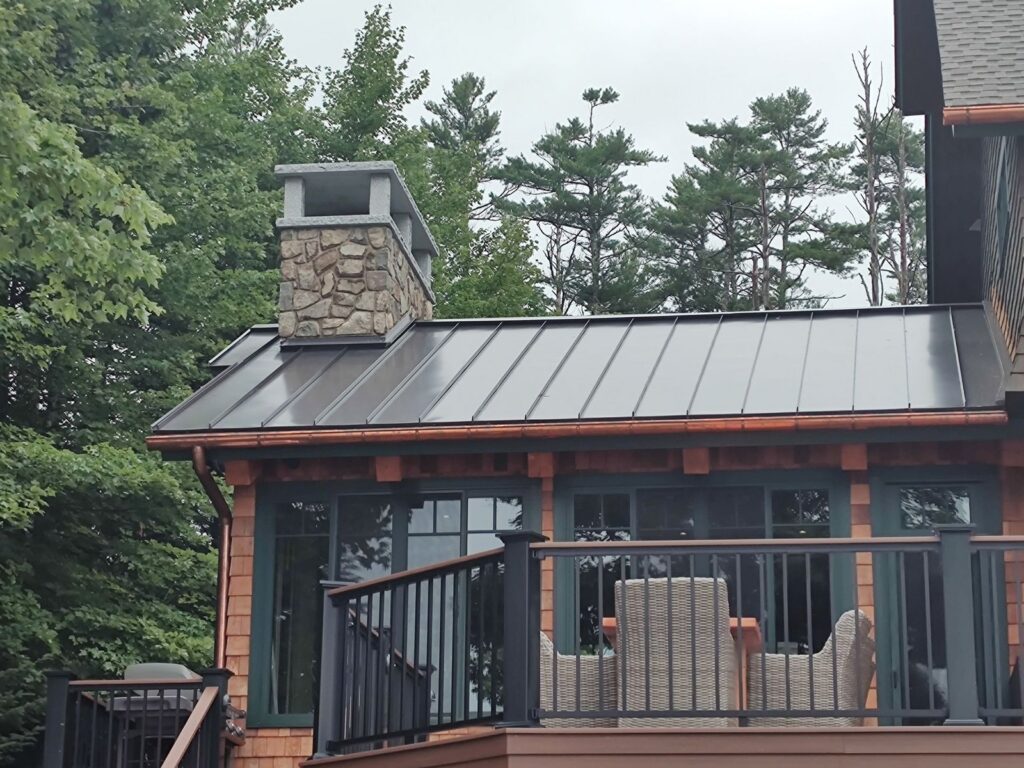
Flashing is where most leaks start, and it’s where corners get cut. Ask about each one by name:
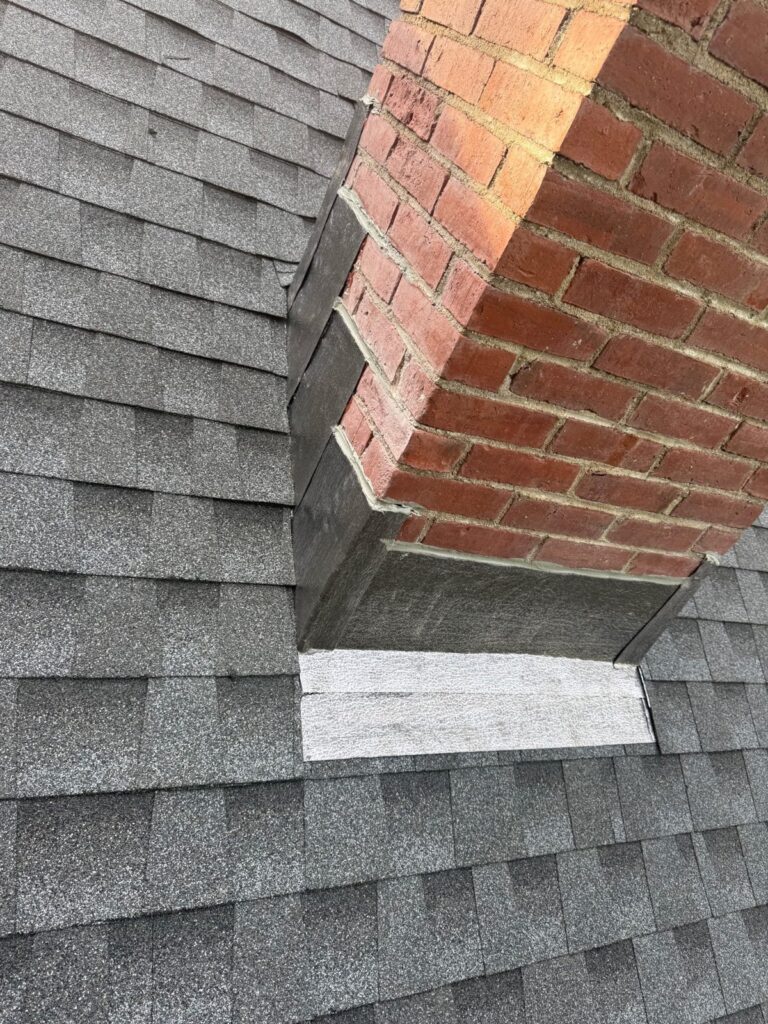
- Chimney flashing. Is the chimney flashing being replaced, or is the new roof being tucked under the old lead? Proper chimney work means new step flashing and counterflashing set into the mortar joints. Old lead that’s cracked, patched with tar or just caulked to the brick should be replaced, not reused.
- Step flashing along sidewalls and dormers
- Drip edge at the eaves and rakes
- Valley treatment: open metal or closed shingle
- Plumbing vent boots: new boots should be standard
- Skylights: new flashing kits, or a recommendation to replace an old skylight while the roof is open
Ventilation
Does the proposal say what intake and exhaust the roof will have when it’s done? “Install ridge vent” alone isn’t a ventilation plan. See Attic Ventilation.
Materials
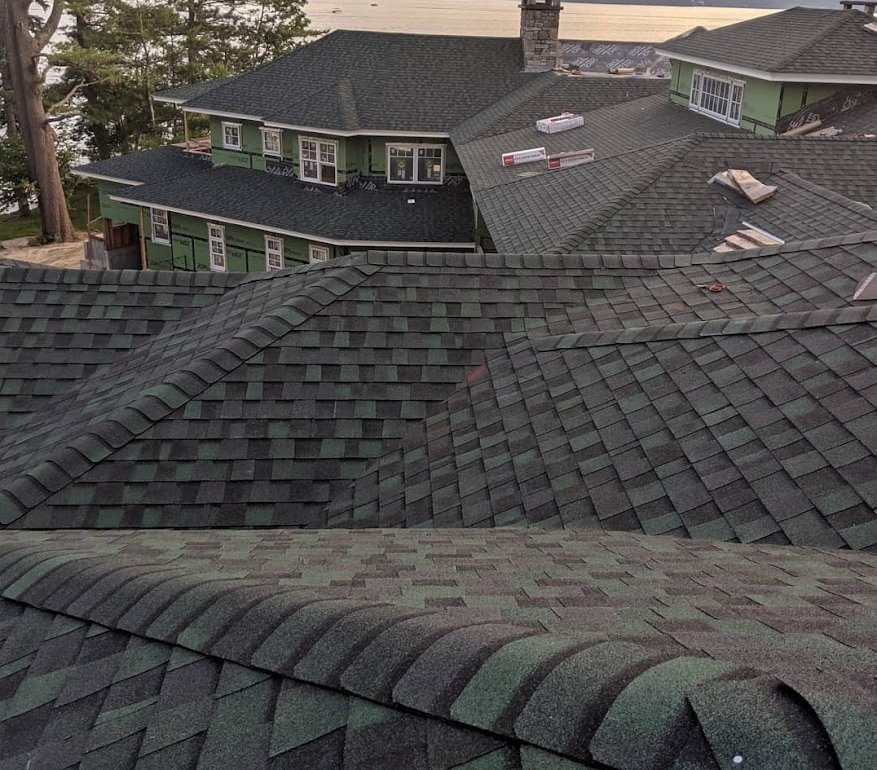
- The specific brand and product line of shingle or metal, not just “architectural shingles.”
- Starter strip, hip and ridge caps, and underlayment from the same manufacturer, if you want the manufacturer’s extended warranty. The better system warranties usually require matching components and a certified installer.
- Nails or fasteners suited to the product, installed to the manufacturer’s spec. On metal roofs, ask about the panel type, gauge and fastening.
Warranty
There are two warranties, and you should get both in writing:
- Manufacturer warranty on the material, and whether it covers labor. Ask if it gets registered in your name.
- Workmanship warranty from the contractor on the installation. How many years, and what does it cover?
The fine print
- Permit: who pulls it and who pays for it. See Roofing Permits by Town.
- Dumpster, disposal, and cleanup including nail sweeping
- Gutters: removed and reinstalled, replaced, or not touched
- Payment schedule
- What happens with weather delays and changes
If a quote leaves these out, ask. A professional roofer will be glad to put the answers in writing. See also How to Spot a Professional Roofer.